
The evolution of casinos A journey through history
The Ancient Origins of Gambling
The roots of gambling can be traced back to ancient civilizations, where games of chance were intertwined with social rituals and ceremonies. Archaeological findings suggest that as early as 3000 BC, the Chinese were engaging in games that involved betting. Similarly, in ancient Rome and Greece, citizens would place wagers on various contests, from chariot races to gladiatorial battles, highlighting the deep cultural significance of gambling in society. If you’re interested in modern options, the best uk betting sites provide an excellent starting point.

The introduction of dice, a fundamental aspect of modern gambling, can be traced back to these early cultures. Dice games were not only a source of entertainment but also served as a means to divine the future. This blending of chance and fate laid the groundwork for the evolution of more structured gambling establishments.
The Birth of Formal Casinos
The first official casino, known as the Ridotto, opened its doors in Venice in 1638. Designed to provide a controlled environment for gambling, the Ridotto marked a significant shift from informal games to organized gambling venues. Patrons could enjoy games like Basset and Biribi, which set the stage for future casino offerings. This innovation indicated a growing societal acceptance of gambling, evolving from a pastime to a regulated industry.
During the 18th century, casinos began to appear across Europe, particularly in France, where establishments like the Casino de Spa in Belgium emerged. These early casinos introduced sophisticated games such as roulette and baccarat, appealing to the wealthy elite and setting standards for future establishments around the world.
The Rise of Las Vegas
The mid-20th century saw the rise of Las Vegas as the gambling capital of the world. Following the legalization of gambling in Nevada in 1931, Las Vegas quickly transformed from a quiet desert town into a bustling metropolis. The lavish hotels and casinos that sprang up along the Strip offered an array of entertainment options, from high-stakes poker to extravagant shows.
This transformation was fueled by organized crime in the early days, but eventually led to legitimate investments that shaped the city’s skyline. Iconic resorts like the Flamingo and the Sands not only popularized high-stakes games but also created a unique culture around gambling that attracted visitors from across the globe.
The Digital Age of Gambling
With the advent of the internet in the late 20th century, the gambling landscape underwent a profound transformation. Online casinos emerged, offering players the convenience of playing from their homes while providing access to a wide range of games. The digitalization of gambling made it possible for high-stakes games to reach an even broader audience, challenging traditional casinos to adapt to new technologies.
As mobile technology progressed, online gambling continued to evolve, with players now able to place bets at their fingertips. This shift not only democratized gambling but also prompted regulatory bodies to create frameworks that ensure fairness and security in this new digital environment.
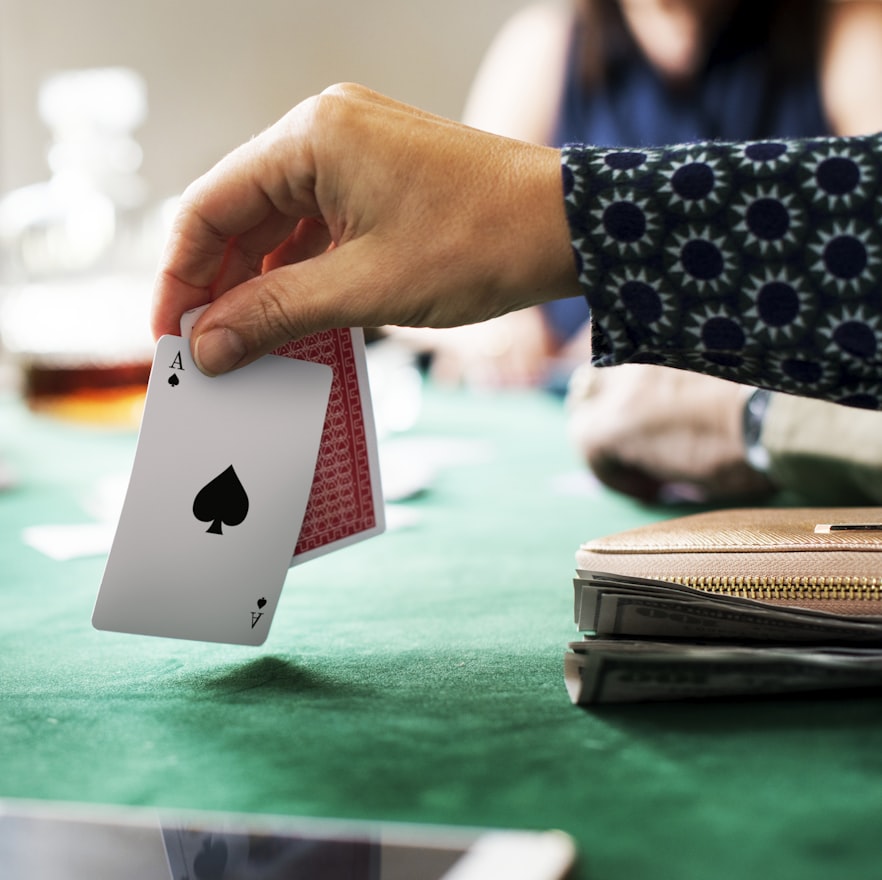
Exploring Modern Casinos and Their Future
Today, casinos continue to evolve, integrating technology and innovation to enhance player experiences. From virtual reality games to live dealer options, modern casinos aim to replicate the thrill of the physical gambling environment while catering to the preferences of a diverse audience. The blend of traditional games with cutting-edge technology showcases the industry’s adaptability in an ever-changing landscape.
As the gambling industry moves forward, there is a growing emphasis on responsible gaming and creating safe environments for players. The future will likely see further integration of technology, including blockchain and AI, to ensure transparency and enhance user experience in casinos around the world.
 Jolancer academy and agency established in 2018 in Jordan to help in develping the Online freelancing.